How to Baby-Proof Your Home: Room-by-Room Guide
How to Baby-Proof Your Home: Room-by-Room Guide
Baby-proofing feels optional until the day your baby starts moving independently. Then it becomes urgent. The sweet spot is to baby-proof before your baby becomes mobile — typically around five to six months, before crawling starts. Here's a room-by-room guide to make your home safer without turning it into a padded fortress.
When to Baby-Proof
Start baby-proofing when your baby is around four to five months old, well before they're mobile. Once a baby can roll, scoot, or army-crawl, they can reach hazards faster than you'd believe possible. Getting ahead of mobility saves you the panic of reactive baby-proofing.
The Nursery
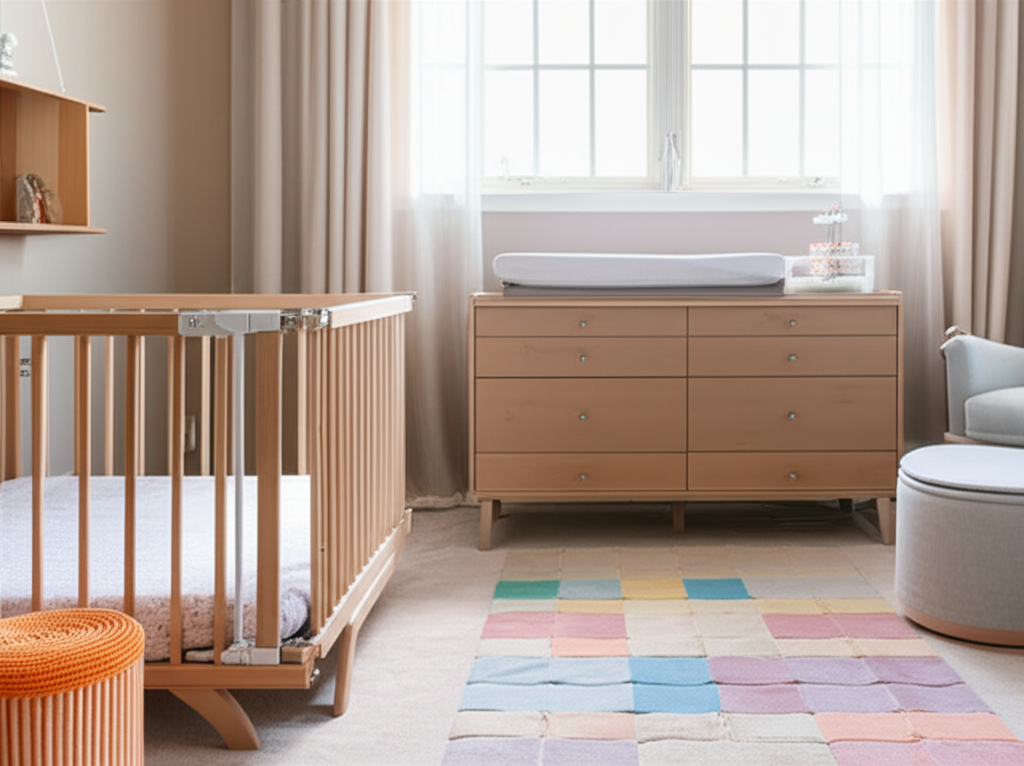
The nursery is baby's most-used room, so it needs to be the safest.
Crib safety
Follow all the guidelines in our safe sleep setup guide. No loose bedding, no bumpers, firm mattress with a fitted sheet only. Anchor the crib to the wall if it's tall enough to pose a tipping risk.
Furniture anchoring
This is life-or-death serious. Anchor all dressers, bookshelves, and changing tables to the wall with anti-tip straps. Toppling furniture is one of the leading causes of injury in young children. Use furniture anchors rated for the weight of each piece, and check them periodically.
Cord management
Window blind cords are a strangulation hazard. Replace corded blinds with cordless options, or use cord cleats mounted high on the wall to keep cords completely out of reach. Also secure any lamp or baby monitor cords — see our monitor setup guide for cord safety tips.
Outlet covers
Cover all unused outlets with plug covers or install tamper-resistant receptacles. Babies are magnetically attracted to outlets for reasons that will test your patience.
The Kitchen
The kitchen contains more hazards per square foot than any other room.
Cabinet locks
Install child-proof locks on all lower cabinets, especially those containing cleaning supplies, sharp objects, and heavy pots. Magnetic locks are the most parent-friendly option — they're invisible from the outside and easy for adults to open with a magnetic key.
Stove safety
Use back burners when possible, turn pot handles toward the back of the stove, and consider a stove guard that prevents baby from reaching burners or pulling pots down. A stove knob cover set prevents little hands from turning on gas or electric burners.
Appliance cords
Push all small appliance cords (toaster, coffee maker, blender) back against the wall or use cord shorteners. A dangling cord is an invitation for baby to pull a heavy appliance onto themselves.
Trash and recycling
A locked or foot-pedal trash can prevents baby from accessing food waste, sharp can lids, and other hazards. Recycling bins should be inaccessible as well.
The Bathroom
Toilet lock
Install a toilet lock. Babies can drown in just an inch of water, and the toilet is an often-overlooked drowning hazard. Toilet locks are inexpensive and easy to install.
Medicine cabinet
Move all medications, supplements, and personal care products to a high, locked cabinet. Child-resistant caps slow children down but don't stop determined toddlers.
Water temperature
Set your hot water heater to 120 degrees Fahrenheit or below to prevent scalding. Use a faucet cover on the bathtub to prevent bumped heads, and always test water temperature before putting baby in the bath. Our bath time guide has more on safe bath setup.
Non-slip mats
Place non-slip mats inside the tub and on the bathroom floor. Wet tile floors and soapy tubs are slip hazards for babies and parents alike.
The Living Room
Coffee table corners
Soft corner guards on sharp-edged coffee tables and end tables prevent the inevitable head bonks that come with learning to walk. Silicone or foam guards work well and can be removed without damage when no longer needed.
TV and heavy items
Mount TVs to the wall and secure any heavy decorative items or electronics that could topple. If a child can reach it, assume they will pull it.
Small objects
Get on your hands and knees and scan the room from a baby's perspective. Coins, small toys from older siblings, button batteries, and anything that fits through a toilet paper roll is a choking hazard.
Fireplace
If you have a fireplace, use a hearth gate that keeps baby away from both the fire and the sharp-edged hearth. Fireplace tools should be completely inaccessible.
Stairs
Gates at top and bottom
Install hardware-mounted (screwed into the wall) gates at the top of stairs. Pressure-mounted gates are fine for the bottom of stairs or doorways but are not safe for the top of stairs — they can be pushed out by a leaning child. Choose gates that meet ASTM safety standards.
Banister gaps
If your staircase has wide gaps between banisters (more than 4 inches), install a banister guard to prevent baby from squeezing through or getting stuck.
General Tips
Get low
Crawl through every room on your hands and knees. You'll see hazards from baby's perspective that are invisible from adult height.
Window guards
Install window guards or stops on all windows above ground floor. Windows should not open more than 4 inches. Screens are not strong enough to prevent falls.
Door stops and finger guards
Foam door stops prevent doors from slamming on little fingers. Finger-pinch guards for door hinges protect the hinge side, which is actually where most finger injuries occur.
Houseplants
Many common houseplants are toxic if ingested. Move all plants to high, inaccessible locations or verify they're non-toxic. The ASPCA website has a comprehensive plant toxicity database.
The Bottom Line
Baby-proofing doesn't need to be done in a single weekend. Start with the highest-priority areas (nursery, kitchen, stairs), and work through the rest before baby becomes mobile. The investment in safety devices is minimal compared to a single ER visit. Remember: supervision is always the first line of defense, but baby-proofing is the essential backup for the moments you blink.