The Sleep Regression Survival Guide: Ages, Stages, and Strategies

The Sleep Regression Survival Guide: Ages, Stages, and Strategies
Your baby was sleeping beautifully. Four-hour stretches, maybe even five. You started to feel human again. Then suddenly, they're waking every 45 minutes like a newborn and you're questioning every life choice that led to this moment. Welcome to sleep regression.
What Is a Sleep Regression?
A sleep regression is a period when a baby who was sleeping well suddenly starts waking more frequently, fighting naps, or both. Despite the name, it's actually a progression — baby's brain is developing new skills (rolling, crawling, standing, talking), and the neurological activity disrupts established sleep patterns.
Regressions typically last two to six weeks. They feel like six months, but they do end.
The 4-Month Regression (The Big One)
What happens
This is the only regression that involves a permanent change in sleep architecture. Around four months, babies transition from newborn sleep cycles to adult-like sleep cycles, including lighter sleep stages. This means more brief wake-ups between cycles, and baby may not know how to fall back to sleep independently yet.
Signs
- Waking every 1-2 hours after previously sleeping longer stretches
- Short naps (30-45 minutes) that can't be extended
- More difficulty falling asleep at bedtime
- Increased fussiness and clinginess
What to do
- This is a good time to work on independent sleep skills if you haven't already
- Establish a consistent bedtime routine — see our bedtime routine guide
- Consider moving baby from a bassinet to a crib if they've outgrown the bassinet
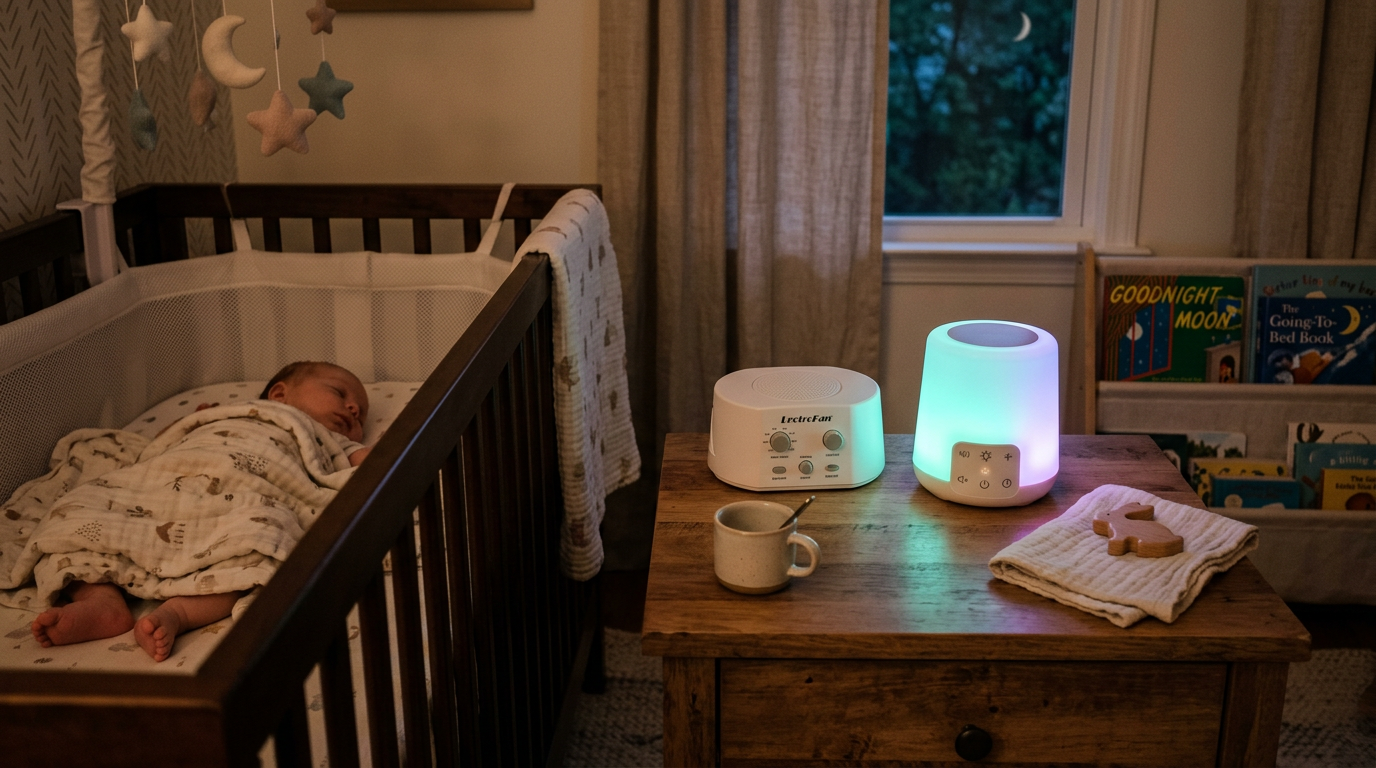
- Ensure the sleep environment is optimized: dark room, white noise (Hatch Rest+), appropriate temperature
- Begin the swaddle-to-sleep-sack transition if baby is showing signs of rolling
The truth about the 4-month regression
This one doesn't fully resolve on its own — the new sleep cycle pattern is permanent. What resolves is baby's ability to navigate the new cycles. Teaching baby to self-soothe (through whatever method aligns with your parenting philosophy) is the long-term solution.
The 6-Month Regression
What happens
Often coincides with major developmental milestones: sitting, starting solids, and sometimes teething. Baby's world is expanding rapidly and their brain is processing a lot of new information.
Signs
- Returning to frequent night wakes after improvement
- Rolling and practicing sitting in the crib instead of sleeping
- Separation anxiety beginning to emerge
- Nap resistance
What to do
- Provide plenty of practice time for new motor skills during the day (tummy time, sitting practice)
- Start a solid bedtime routine if you haven't already
- For teething pain, consult your pediatrician about appropriate pain relief
- Resist creating new sleep associations (like bringing baby to bed with you) that you'll need to undo later
The 8-10 Month Regression
What happens
Separation anxiety peaks around this age, and many babies are learning to crawl or pull to stand. The combination of emotional development and physical milestones creates a perfect storm of sleep disruption.
Signs
- Screaming when put down in the crib
- Standing or crawling in the crib instead of sleeping
- Wanting to be held constantly at bedtime
- Waking and calling out for parent specifically
- Nap strikes
What to do
- Practice separation during the day with short peekaboo games and brief departures
- Give baby lots of floor time to practice crawling and pulling up
- If baby is pulling to stand in the crib but can't get back down, practice sitting from standing during the day
- Maintain your bedtime routine with extra cuddle time built in
- Be consistent with your sleep approach even though it's harder
The 12-Month Regression
What happens
Walking (or pre-walking), first words, and growing independence converge around the first birthday. Some babies also drop to one nap around this time, which disrupts the whole schedule temporarily.
Signs
- Fighting bedtime more than usual
- Nap refusal, particularly the second nap
- Early morning waking
- Nighttime waking with apparent desire to play
What to do
- Don't drop to one nap too early — most babies need two naps until 13-15 months
- Offer extra physical activity during the day to tire out those newly mobile legs
- Keep the bedtime routine consistent
- Consider slightly adjusting bedtime if wake windows have shifted
The 18-Month Regression
What happens
Language explosion, growing independence, testing boundaries, and sometimes molars coming in. This regression is more behavioral than developmental — toddlers are learning to assert their will.
Signs
- Bedtime battles and stalling
- Calling out repeatedly after being put down
- Night terrors or nightmares may begin
- Climbing out of the crib (safety concern)
What to do
- Offer choices within the bedtime routine ("Do you want the bear book or the moon book?")
- Use a visual routine chart
- The Hatch Rest+ time-to-rise feature becomes very useful here
- If climbing out of the crib, lower the mattress to the floor position. If they can still climb out, it may be time for a toddler bed.
Universal Regression Strategies
Don't panic
Regressions end. Panicking and throwing out your entire sleep approach at the first bad night leads to new habits that are harder to break.
Maintain consistency
Whatever sleep approach you use, keep using it. Consistency through regression is what brings you out the other side faster.
Avoid new sleep crutches
It's tempting to introduce new soothing methods in desperation (co-sleeping, driving around the block, contact napping all day). These provide short-term relief but create new habits you'll eventually need to change.
Optimize the basics
Dark room, cool temperature, white noise, consistent routine. These aren't magical, but they remove variables and give baby the best chance at quality sleep. Check our safe sleep setup guide for details.
Tag team with your partner
If possible, take turns handling night wakes so each parent gets some unbroken sleep. Sleep deprivation affects your mental health, judgment, and patience.
Remember it's temporary
Write this on your mirror: "This is a phase. This will pass." Because it will.
The Bottom Line
Sleep regressions are universal, temporary, and survivable. They're signs of healthy brain development, even though they feel like punishment. Maintain your routines, support your baby through the developmental leap, and take care of yourself in the process. This too shall pass. For gear that supports better sleep, explore our sleep essentials and cribs and bassinets categories.